Coal-Fired Power Plants Remained More Profitable Than Natural Gas Across the MISO Grid in the Central U.S
Coal-fired power plants remained more profitable than natural gas generators in the Midcontinent Independent System Operator (MISO) region during the first four months of 2026. According to the U.S. Energy Information Administration (EIA), higher wholesale electricity prices and relatively stable coal costs gave coal-fired generators a clear economic advantage over natural gas plants.
The EIA measures generator profitability using dark spreads for coal and spark spreads for natural gas. In MISO, coal’s dark spread consistently exceeded the spark spread beginning in late 2024 and continued through 2025 and early 2026. The trend reflected stronger returns for coal-fired generation despite the ongoing growth of renewable energy.
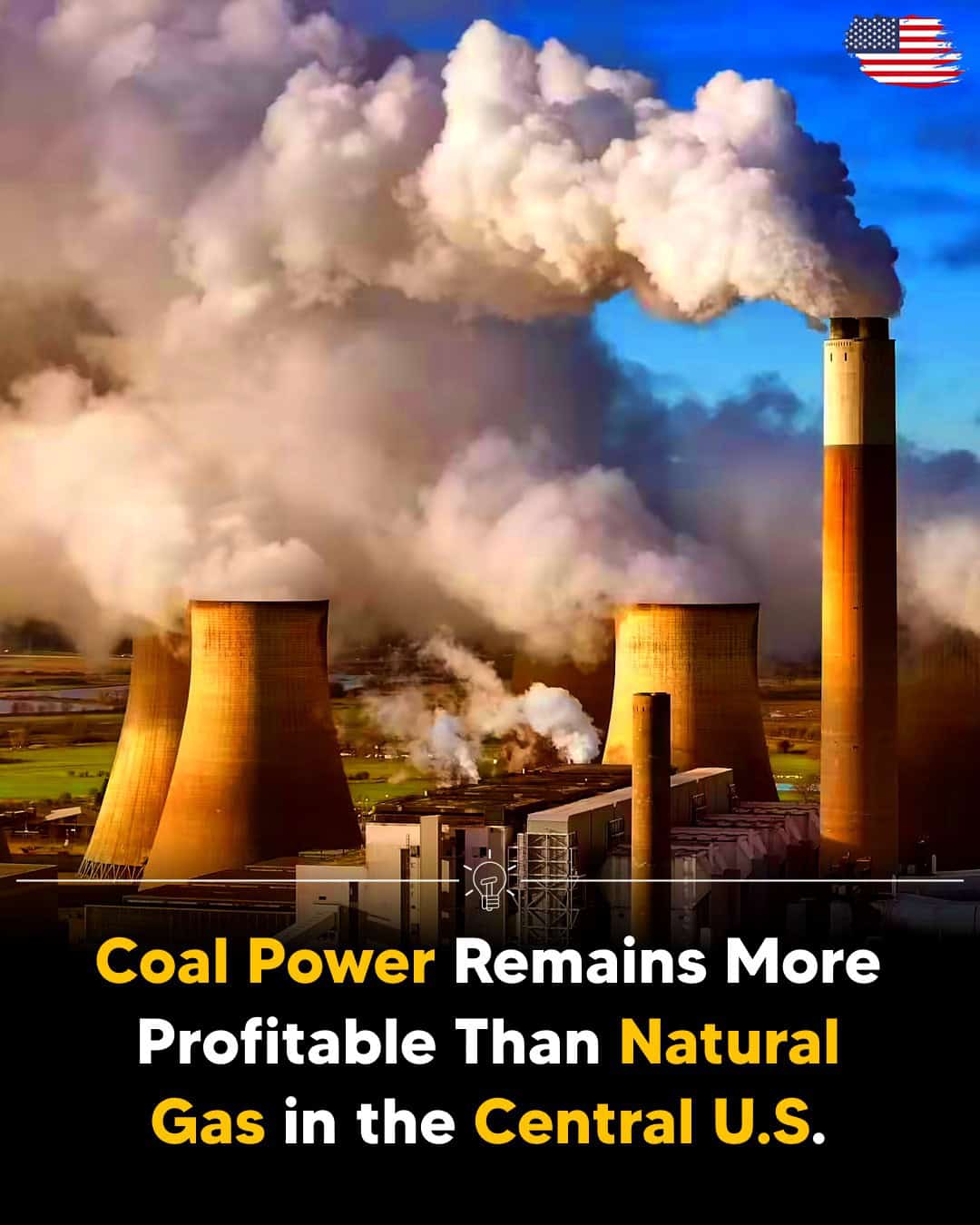
From 2024 to 2025, average wholesale electricity prices in MISO increased by 44%, while coal prices rose only about 3%. During the same period, natural gas prices climbed 63%, significantly increasing fuel costs for gas-fired generators and reducing their operating margins.
The profitability gap widened dramatically during Winter Storm Fern in January 2026. Extreme cold drove natural gas prices sharply higher as heating demand surged across the Midwest. Daily wholesale electricity prices exceeded $260 per megawatt-hour, while coal prices remained relatively stable because coal supplies are less exposed to short-term fuel market volatility. At the peak of the storm, the difference between coal and natural gas profitability reached about $530 per megawatt-hour.
The EIA reported that coal’s average dark spread reached $28 per megawatt-hour during the first four months of 2026, up 39% from the same period a year earlier. By comparison, natural gas spark spreads increased only modestly, allowing coal to maintain a stronger financial position throughout the period.
Winter Storm Fern also exposed reliability challenges across the MISO grid. Gas supply disruptions, low wind generation, and higher-than-expected electricity demand forced MISO to activate emergency procedures and import electricity from neighboring regions. Coal-fired plants continued operating through the event and helped support grid reliability during the extreme weather.
The latest data show that coal remains economically competitive in the central U.S. power market despite the long-term transition toward cleaner energy sources. While utilities continue expanding renewable generation and natural gas capacity, fuel price volatility and grid reliability needs continue to influence the economics of electricity generation in MISO.
Sources:
- U.S. Energy Information Administration, based on data from S&P Global Market Intelligence – 2026
- Midcontinent Independent System Operator (MISO) – 2026
-
 Denmark Converts Gas Caverns Into Hydrogen Reserves for Winter
-
 Virginia’s Power Use Surges 30M MWh as AI Data Centers Grow
-
 Eric Trump-Backed Startup Builds AI Humanoid War Robots
-
 U.S. Blocks New Chinese Humanoid Robots Over Security Risks
-
 California Solar Power Beats Natural Gas for First Time
-
 Germany’s Electric Drone Hits 699 km/h, Eyes World Record