Biological Computer with Living Human Brain Cells Successfully Plays Doom Game
A Living Computer
Imagine a computer that isn’t made of cold silicon chips or endless lines of code, but something alive, warm, and surprisingly human in the way it learns and adapts.
That is exactly what Australian biotech startup Cortical Labs has built with their CL-1, the world’s first commercially available biological computer, powered entirely by real human neurons grown in a lab.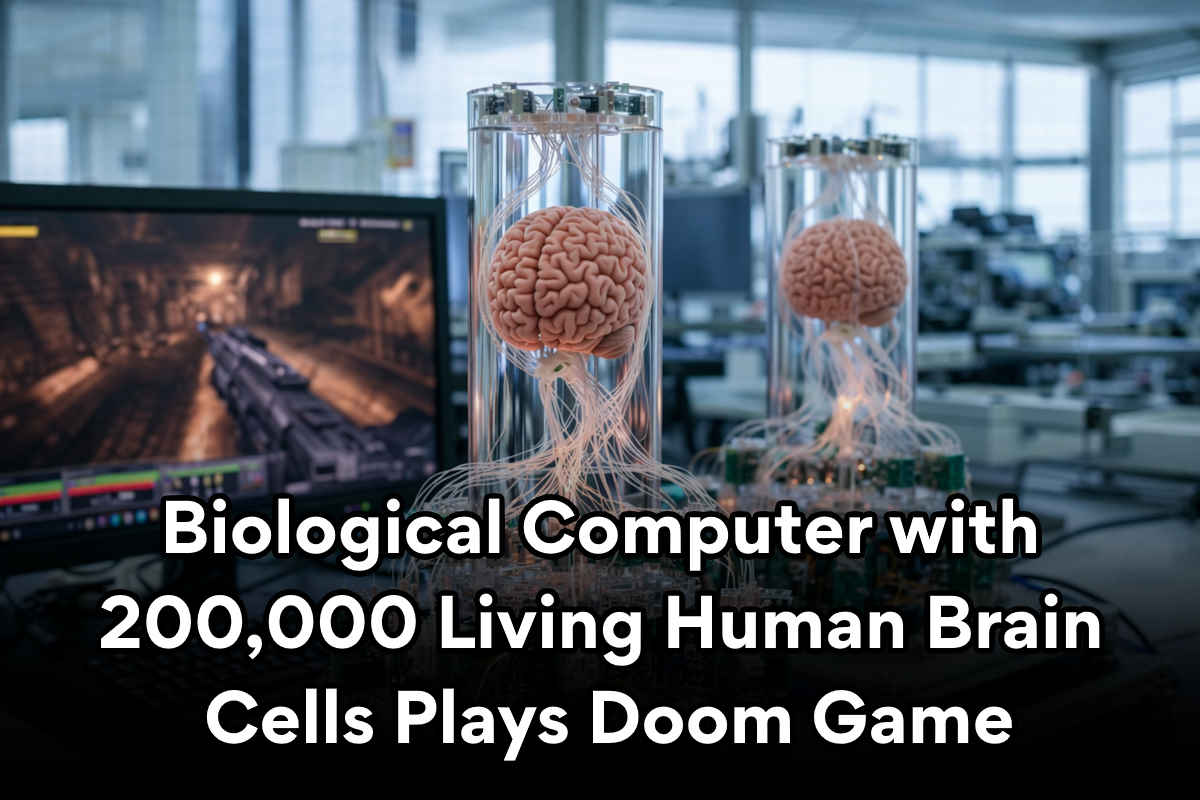
“This was a major milestone,” said Brett Kagan, Chief Scientific Officer and Chief Operations Officer at Cortical Labs. “It showed that the system can respond and adapt to feedback in real time.”
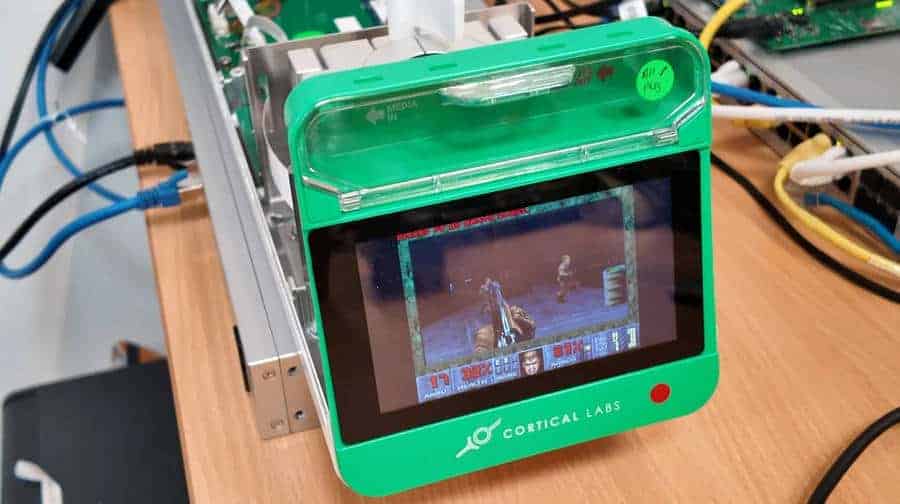
The team recently demonstrated the system by having lab-grown neurons play the 1993 video game Doom. While the neurons did not beat the game, they reacted to digital signals and sent back basic control actions, showing that even a tiny network of human neurons can respond and adapt in real time.
How the CL-1 Works
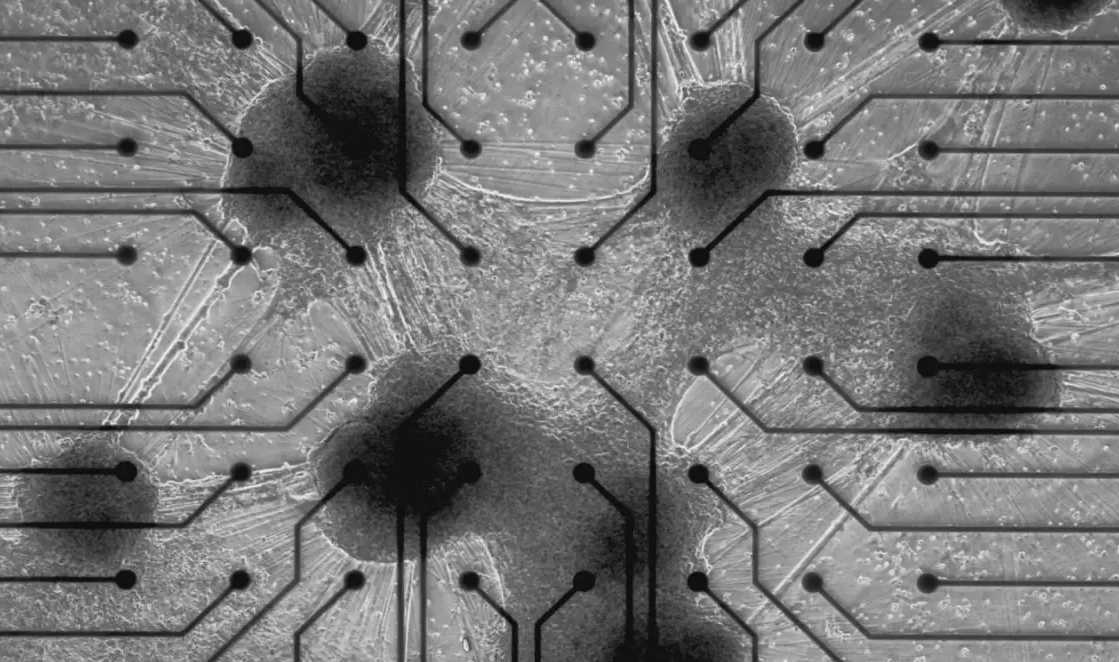
At the heart of the CL-1 is a hybrid system that combines traditional silicon hardware with living neurons grown directly on a microelectrode array. Around 200,000 human brain cells, derived from adult tissue such as blood or skin, form a network capable of sending and receiving electrical signals. The system can eventually support up to 800,000 neurons.
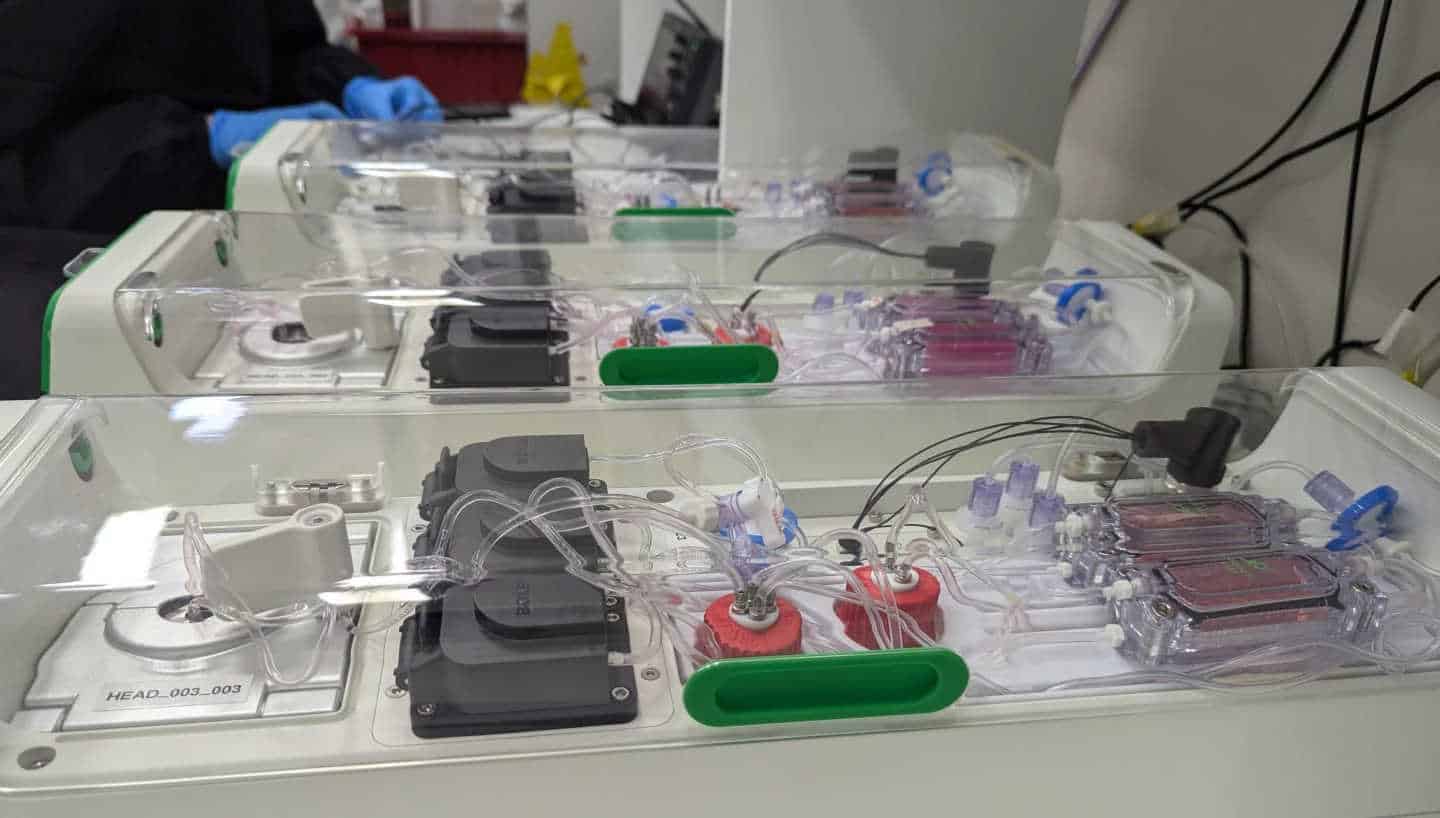
A built-in life-support system delivers nutrients, regulates temperature, manages gas exchange, circulates fluids, and removes waste, keeping the neurons healthy and functional for up to six months.
Electrical signals from the chip stimulate the neurons, which respond with their own activity. Custom software reads these responses and converts them into digital actions.
Developers can interact with the neurons in real time through a dedicated API and a Biological Intelligence Operating System (biOS) that allows Python code to be sent directly to the neurons.
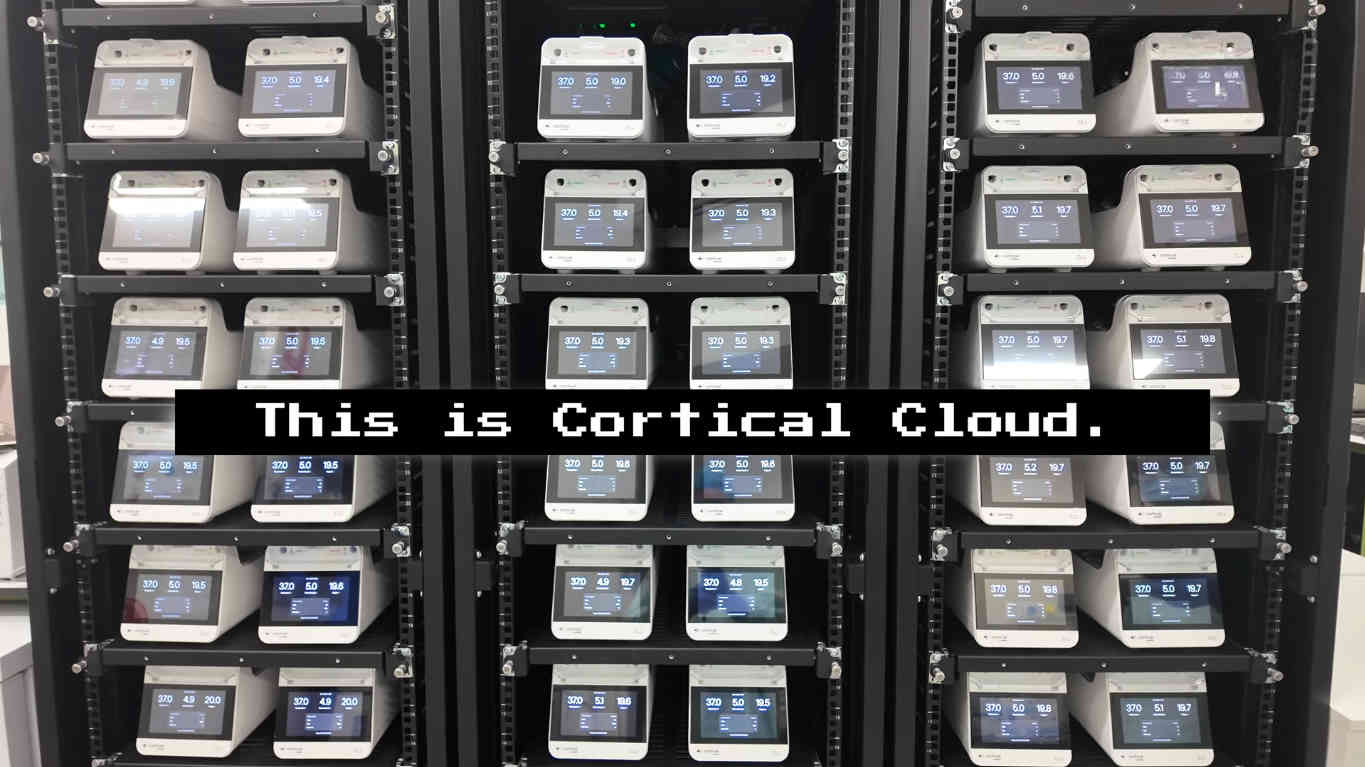
The CL-1 is self-contained and versatile, with USB ports for cameras, sensors, or motors, a touchscreen for monitoring, and remote access through Cortical Labs’ Cortical Cloud platform.
Unlike traditional AI, which simulates neural networks on silicon, the CL-1 uses real human neurons that naturally learn, adapt, and recognize patterns efficiently while consuming less energy and data.
From Pong to Doom: Teaching Neurons to Play
Cortical Labs first demonstrated the potential of biological computing in 2021 by training a living neuron chip to play Pong. More than 800,000 human brain cells were grown on tiny microelectrode arrays, forming a system that could interact with a digital environment.

Training took over a year and a half, with scientists guiding the neurons using simple electrical feedback. Over time, the cells learned to respond and move the paddles in Pong, proving that lab-grown neurons could perform real computational tasks.
After that success, the team moved to the more complex challenge of Doom, a fast-paced 3D shooter. Because neurons have no eyes, the game’s visual data had to be converted into electrical patterns they could understand.
Independent developer Sean Cole created a Python-based system that translated the game environment into inputs for the neurons. Within a week, the neurons began responding, and their activity was converted back into digital commands to move, aim, and fire in real time.
While gameplay remains basic and far below human or AI performance, the experiment shows that living neurons can adapt quickly inside a digital system, sometimes learning faster than traditional silicon-based models. More recently, Cortical Labs demonstrated the CL-1 interacting with Doom, confirming the system’s ability to learn patterns, make decisions, and adapt in real time.
The Cortical Cloud platform now allows researchers to run experiments remotely without building their own biological hardware, opening new opportunities for neuroscience research, alternative computing approaches, and medical applications.
Applications and Scientific Value
The CL-1 was designed as a research tool, not a consumer device. Scientists and early adopters see it as a powerful platform for neuroscience, drug discovery, disease modeling, and hybrid AI research. Because it uses real human neurons, researchers can observe how cells respond to stimuli and treatments in ways that traditional computers cannot replicate.
The system is also practical. It consumes far less power than a typical AI data center and is compact enough to fit in a standard laboratory. When first offered, units are priced around $35,000, with initial shipments planned for 2025.
The technology raises ethical questions. Some experts ask how living neural networks should be treated and whether future systems could blur the line between biological and artificial intelligence. Cortical Labs emphasizes that the neurons used today are far simpler than a human brain and are not conscious.
Founded by Dr. Hon Weng Chong and led scientifically by Dr. Brett Kagan, Cortical Labs calls the technology Synthetic Biological Intelligence (SBI). SBI allows scientists to see how human neurons process information, form connections, and respond to drugs or stimuli.
Applications include modeling brain diseases like epilepsy or Alzheimer’s, testing new drugs, and providing an ethical alternative to some animal experiments.
A New Frontier in Computing
The CL-1 is still an experiment, exploring the meeting point of living brain cells, computers, and AI. It’s a bold attempt to see if machines can learn and adapt in ways we’ve never tried before.
As the technology grows, it could give scientists a rare glimpse into how our brains work and offer new ways to compute.
Since it launched, the CL-1 has caught the attention of labs around the world. The neurons won’t be beating humans at games anytime soon, but the experiments show the exciting potential of blending biology with technology.
Cortical Labs believes these tiny networks of living cells can help us understand how intelligence develops, both in our own brains and in these lab-grown systems. The field is still very new, but what is happening here shows that ideas once thought of as science fiction are starting to become real.
-
 New U.S. Marines AI Weapon can also Track and Target People
-
 11 States Tighten Air Conditioner Rules Amid Heat Waves
-
 Samsung Develops 50-MW Offshore Floating Data Center for AI
-
 China Tests World’s Most Powerful 1MW Flying Wind Turbine
-
 UAE Uses Seawater & Solar Energy to Grow Crops in the Desert
-
 Virginia’s Power Use Surges 30M MWh as AI Data Centers Grow