World’s First Hydrogen Powered Car Offers 932-Mile Range and Refuels in Minutes
The NamX HUV is drawing attention with its bold vision for hydrogen mobility. The concept SUV combines a hydrogen fuel cell with a patented removable hydrogen capsule system. The company says this approach could reduce dependence on fixed refueling stations while offering zero-emission driving.
Unlike battery-electric vehicles, hydrogen fuel cell cars generate electricity by combining hydrogen with oxygen. The only tailpipe emission is water vapor. NamX says its HUV uses a fixed hydrogen tank together with six interchangeable hydrogen capsules, allowing drivers to swap empty capsules for full ones in just a few minutes.
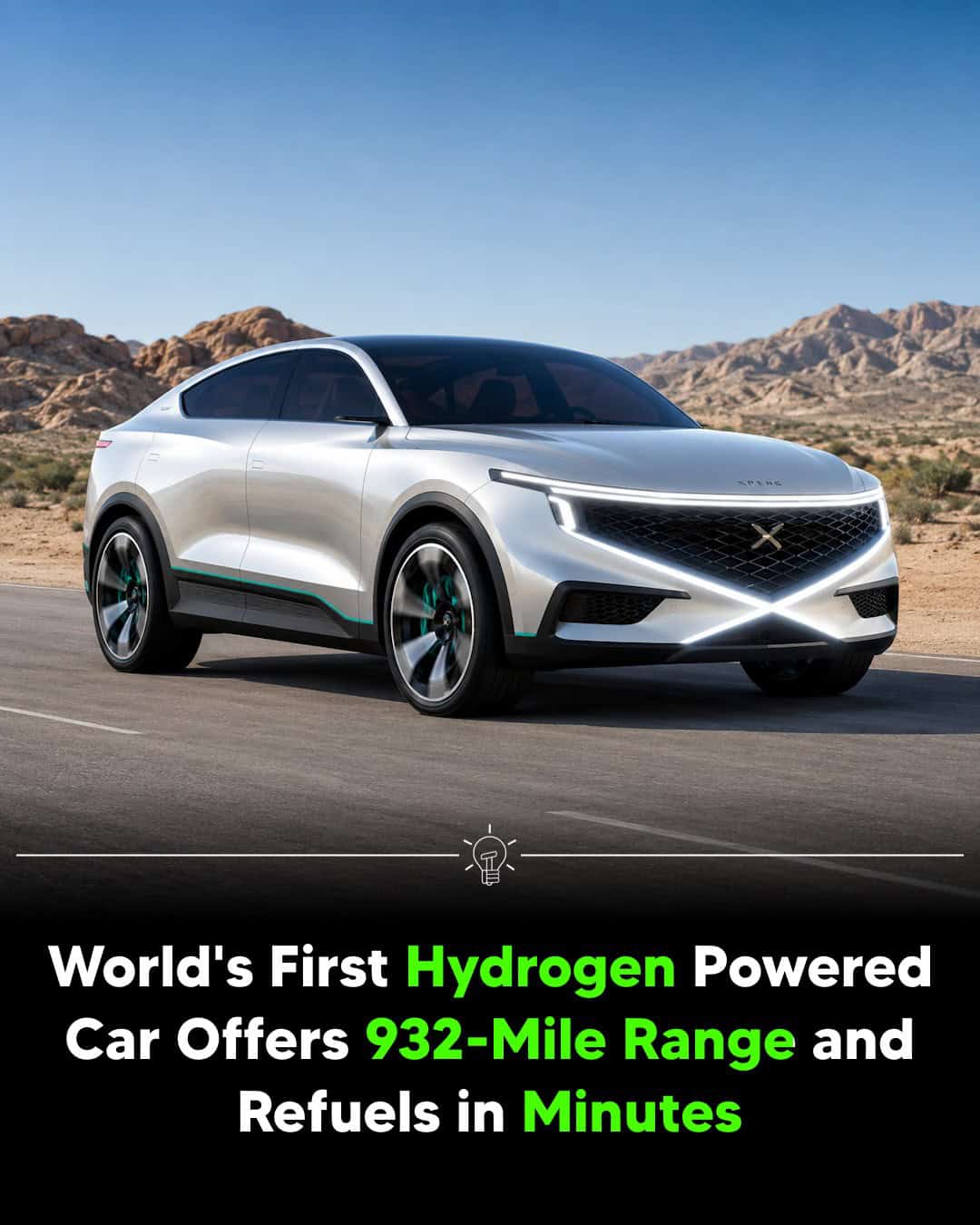
The removable capsule system is the vehicle’s biggest innovation. Instead of relying entirely on hydrogen filling stations, drivers could exchange or receive replacement capsules through a dedicated distribution network. The company believes this could make hydrogen vehicles more practical in regions where refueling infrastructure remains limited.
Hydrogen-powered vehicles are not new. The technology has evolved over decades, from early hydrogen engines to modern fuel-cell models such as the Toyota Mirai and Hyundai Nexo. These vehicles offer fast refueling and long driving ranges, but adoption has been slowed by the limited availability of hydrogen stations and the high cost of hydrogen production and distribution.
NamX recently reached an important milestone by securing a European patent for its removable hydrogen capsule technology. The company says the patent clears the way for industrial development and future commercialization of the capsule system across Europe.
Although some online reports have claimed a 932-mile (1,500 km) driving range, the company’s current published specifications list an estimated range of about 800 km (497 miles) for the concept vehicle. Commercial production timelines and final performance figures have not yet been confirmed.
The NamX HUV remains under development, but its modular hydrogen concept offers a fresh approach to zero-emission transport. If the capsule network proves practical and cost-effective, it could help overcome one of hydrogen mobility’s biggest challenges and support wider adoption of fuel-cell vehicles in the future.
Source:
- NamX Hydrogen
Related Posts:
-
 Toyota Confirms Hydrogen Hilux with 300kW Power for 2028
-
 Amazon Puts 1st 27 Mercedes Electric Trucks On German Roads
-
 BYD Orders 10 More Ships to Carry 130,000+ EVs Worldwide
-
 BYD Launches Electric Truck to Rival Tesla Semi in Europe
-
 BYD’s New Electric Truck for EU Beats Tesla Semi in Almost Every Metric
-
 Windrose Electric Trucks Enter Australia’s Long-Haul Freight