Primary Protection
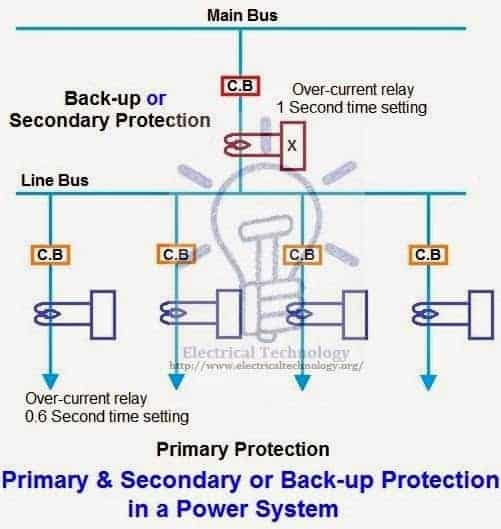
Below is the power system protection scheme which is designed to protect the power system parts and components. As shown in below fig, each line associated with over current relay that protect the lines from faults. So, if a fault happens on any line, it will be cleared by its relay and circuit breaker. This is called primary or main protection and acts as a first line defender. The service record of primary relaying is very high with well over 90% of all operations being correct. But this is not always the case, sometimes faults are not illuminated by the primary or main protection system i.e. circuit breaker and relay system because of trouble within the relays, circuit breakers or wiring system in different conditions. In those conditions, Secondary or backup protection system does the required job.
- Failure of DC supply to the tripping Circuit
- Failure in relay operating current or voltage
- Failure in circuit breaker tripping mechanism
- Failure of main protective relay operation
- Failure in the wiring of relaying system
- Failure of CTs or PTs operation
- Relay Backup Protection
- Breaker Backup Protection
- Remote Backup Protection
- Centrally Co-ordinate Backup Protection
-
 Germany’s Electric Drone Hits 699 km/h, Eyes World Record
-
 How to Wire a Countdown Timer Switch – 15 Mins to 12Hrs
-
 How to Wire a Digital & Smart Fan Speed Controller Switch
-
 How to Wire Humidity Sensor and Fan Control Switch
-
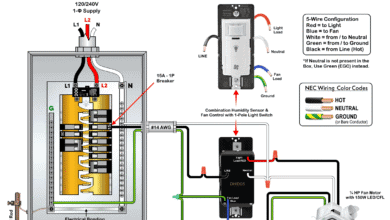 Wiring Combo Humidity Sensor & Fan Control with Light Switch
-
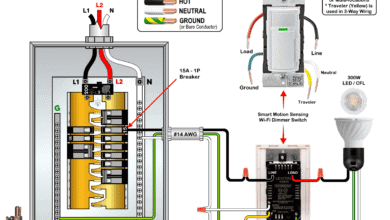 How to Wire a Smart Motion Sensing Dimmer Switch