Electrical Design
-

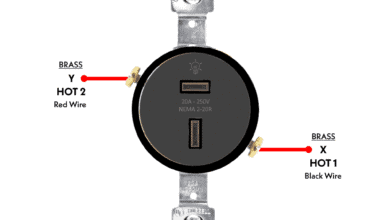
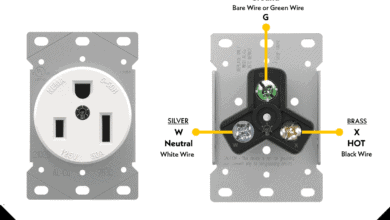
How to Wire a 20A/250V, NEMA 2-20 Non-Grounding Receptacle
How to Replace a 20A – 250V, NEMA 2-20 Non-Grounding Receptacle with a 2-P Breaker The NEMA 2-20 is a non-grounding 2-wire receptacle rated for 20 amps and 250 volts.…
Read More » -
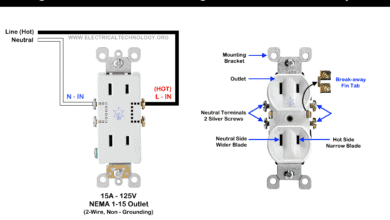
How to Wire a 15A/125V, NEMA 1-15 Non-Grounding Outlet
How to Replace a 15A – 125V, NEMA 1-15 Non-Grounding Receptacle with a 1-P Breaker A NEMA 1-15 receptacle (also called a Type A outlet) is a 2-wire, non-grounding electrical…
Read More » -
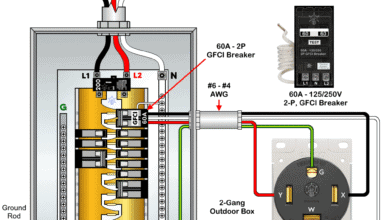
How to Wire a 60A, 125V/250V – NEMA 14-60 Receptacle
How to Install a NEMA 14-60 Receptacle with Breaker/GFCI for Heavy-Duty EV Chargers and Connectors A NEMA 14-60R is a type of electrical receptacle, or outlet, designed for high-power applications.…
Read More » -
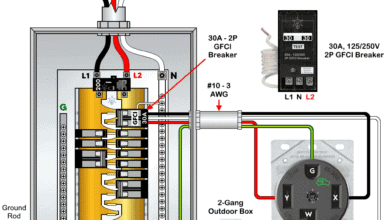
How to Wire a 30A, 125V/250V – NEMA 14-30 Receptacle
How to Install a 30A – 125/250V Grounding Receptacle with Neutral – Wiring NEMA 14-30 with Breaker & GFCI Protection for Heavy-Duty EV Chargers, RVs, Electric Ranges & Dryers A…
Read More » -
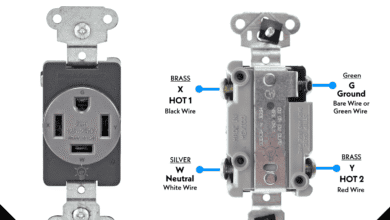
How to Wire a 20A, 125V/250V – NEMA 14-20 Receptacle
How to Install a 20A – 125/250V Grounding Receptacle with Neutral – Wiring NEMA 14-20 with 2-P Breaker & GFCI Protection A NEMA 14-20 receptacle is a 3P, 4W, 20A,…
Read More » -
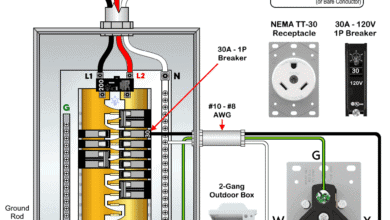
How to Wire NEMA TT-30 Receptacle for RVs & Travel Trailers
How to Install a NEMA TT-30 Receptacle (30A/125V) with 1-Pole Breaker and GFCI Protection for RVs & Travel Trailers A NEMA TT-30R is a 30-amp, 125-volt, 3-pin, grounded receptacle specifically…
Read More » -
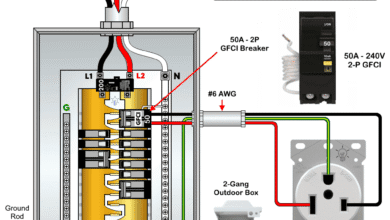
How to Wire a 50A – 250V, NEMA 6-50 Receptacle
How to Install NEMA 6-50 (50A – 250V) Industrial Grade Receptacles with 2-P GFCI and Standard Breakers for EVs and RVs? A NEMA 6-50R is a heavy-duty electrical receptacle designed…
Read More » -
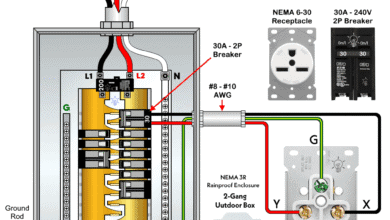
How to Wire a 30A – 250V, NEMA 6-30 Receptacle
How to Install a NEMA 6-30 (30A – 250V) Receptacle with 2P Breaker & GFCI Protection for EVs & Heavy-Duty Appliances A NEMA 6-30R is a 30-amp, 2P, 3W, 250V…
Read More » -
How to Wire a 50A – 125V – NEMA 5-50 Receptacle
How to Install a 50A -125V Receptacle (NEMA 5-50R) with GFCI / Breaker The NEMA 5-50R is a 125 V, 50 A receptacle, once used for heavy-duty 120V equipment but…
Read More » -
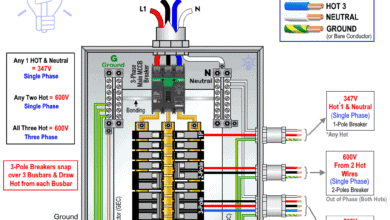
How to Wire 600/347V 3ΦY, 1-Phase & 3-Phase Load Center
Wiring a 600/347V, Single & Three Phase Main Breaker Box for Commercial Applications What is 347 & 600V Commercial Supply? The 600/347V commercial supply is a common three-phase, four-wire (3-Φ,…
Read More »