Electrical Wiring
Electrical Wiring Installation Tutorials
-
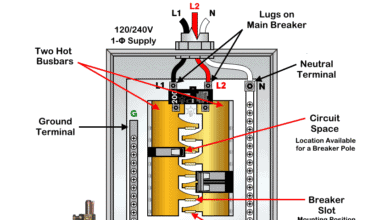
Busbar, Bus Stab, Breaker Slot and Circuit Space in a Panel
What are Busbars, Bus Stabs, Circuit Spaces, Breaker Slots, Neutral Terminals, and Ground Terminals in an Electrical Panel or Load Center? Electric panels and load centers in residential and commercial…
Read More » -
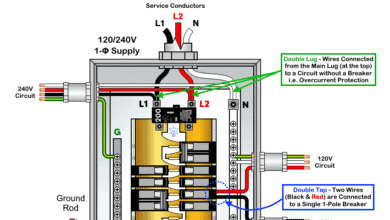
What is Double Tapped Breaker and Double Lug in Main Panel
Double Tapping at Breaker and Double Lugging in Electrical Panels – How To Identify and Solve the Issue? What are Double Tapped Breakers and Lugs? Double Tapping A double tap…
Read More » -

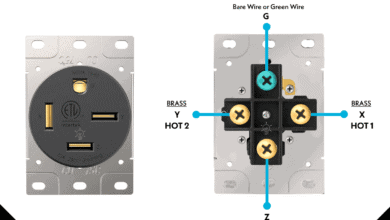
How to Wire a 3-Phase, 60A – 250V NEMA 15-60 Receptacle
How to Install a NEMA 15-60, Three-Phase, 60A – 250V Receptacle with Breaker and GFCI Protection NEMA 15-60 Receptacle The NEMA 15-60R is a 3-pole, 4-wire grounding receptacle rated for…
Read More » -
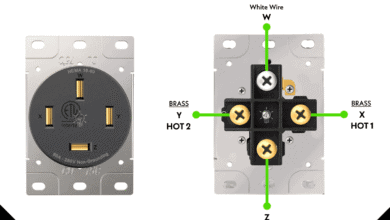
How to Wire a 3-Phase, 60A – 120/208V NEMA 18-60 Receptacle
How to Install a NEMA 18-60, Three-Phase, 60A – 208Y/120V Non-Grounding Receptacle with Breaker and GFCI Protection A NEMA 18-60 receptacle is a heavy-duty, industrial-grade straight-blade non-grounding receptacle designed for…
Read More » -
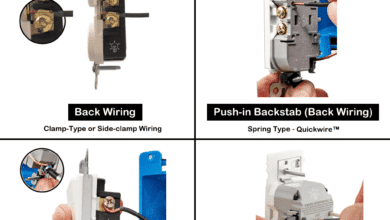
Difference Between Back Wiring, Side Wiring & Push-in Wiring
Difference Between Back Wiring, Side Wiring, Push-in Backstab Wiring & Lever Edge Wiring When terminating devices such as switches, receptacles, outlets, dimmers, and similar wiring accessories, there are several acceptable…
Read More » -
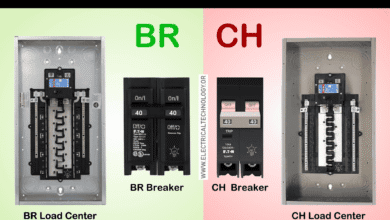
Difference Between BR and CH Breakers and Load Centers
CH vs BR Breakers and Panels: What’s the Difference and Where Are They Used? When choosing an electrical panel or circuit breaker, Eaton (formerly known as Cutler-Hammer) stands out as…
Read More » -
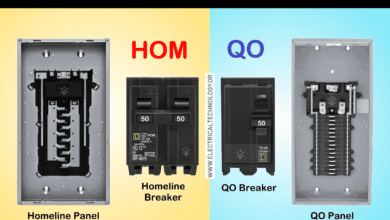
Difference Between Homeline and QO Breakers and Panels
QO vs Homeline Breakers and Panels: What’s the Difference and Where Are They Used? When selecting an electrical panel or circuit breaker, Square D by Schneider Electric is one of…
Read More » -
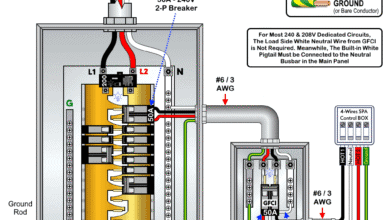
How to Wire Spa Panel for Hot Tub using 2-P GFCI & Breaker
Wiring Installation of 40A & 50A Spa Panel for Hot Tub using 2-Pole Breaker and GFCI A spa panel is a small, outdoor-rated disconnect enclosure that contains a 2-pole GFCI…
Read More » -
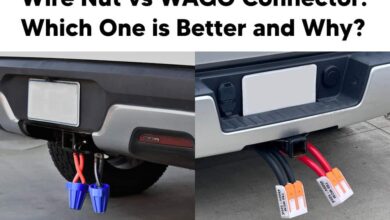
Wire Nut vs WAGO Connector: Which One is Better and Why?
Which is Better for Electrical Connections, Wire Nuts or Wago Wire Connectors? When it comes to electrical wiring, the quality of a connection matters just as much as the wire…
Read More » -
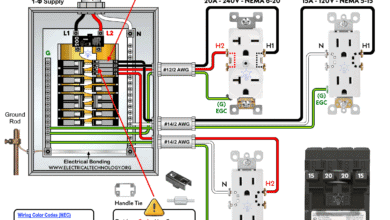
How to Wire a Tandem Breaker for 120V and 240V Circuits
How to Install a 15/20A Single-Pole, Two Pole and Quad Tandem Breakers for 120/240V There are several types of circuit breakers, such as standard 120V single-pole and 240V two-pole breakers,…
Read More »