Trump Administration Officially Bans Imports of New Humanoid Robots from China
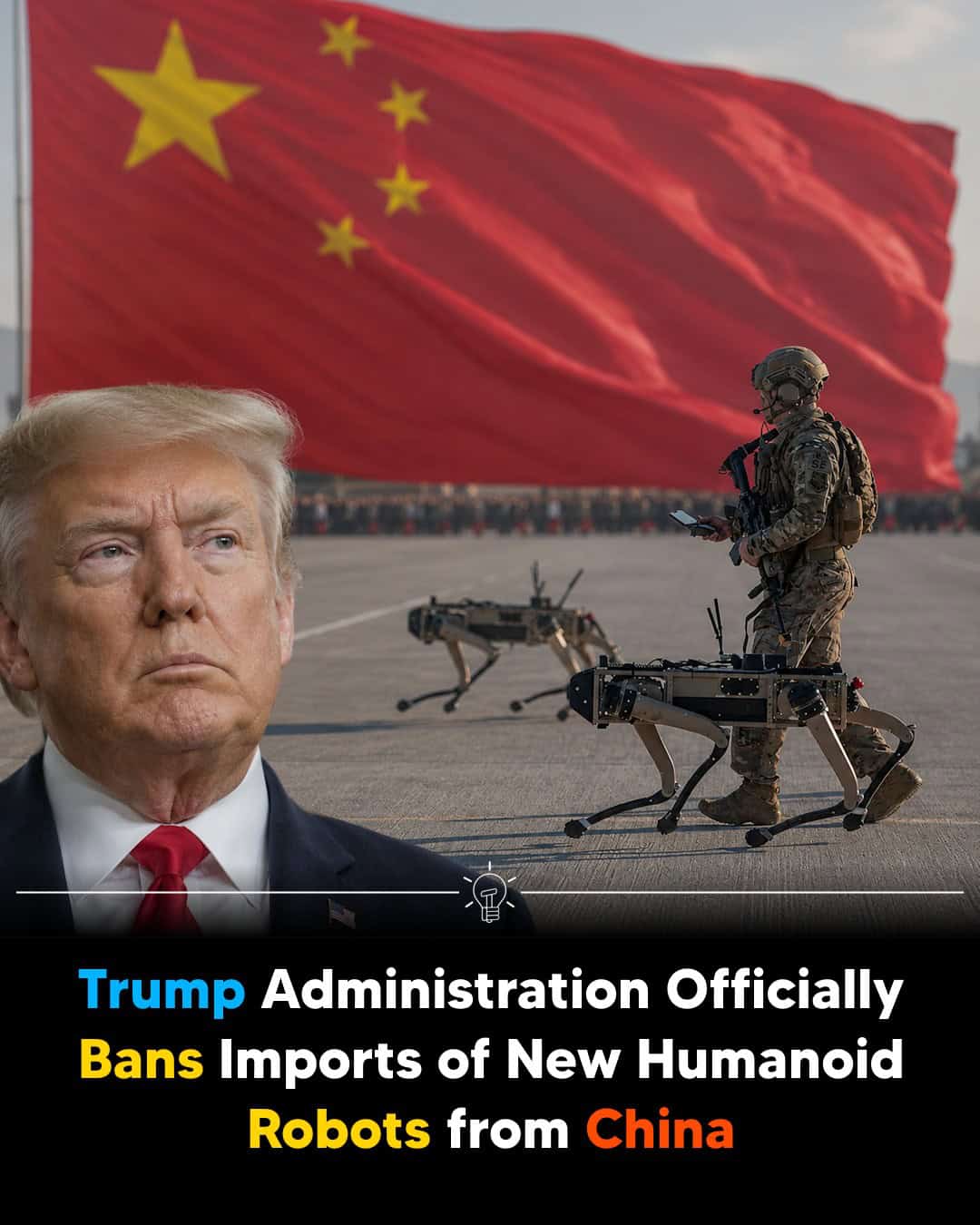
The Trump administration has introduced new Federal Communications Commission (FCC) rules blocking the import and sale of new Chinese-made humanoid robots, robot dogs, and certain connected power inverters in the United States. The move is part of a broader effort to strengthen national security and protect critical AI and energy infrastructure.
U.S. officials say internet-connected robots and power inverters could be used for surveillance, cyberattacks, data theft, or disruption of essential services. The FCC said these products pose an unacceptable national security risk because they can collect data and connect to sensitive networks.
The new restrictions apply only to future products seeking FCC equipment authorization. Existing devices that already have approval can continue to be sold and used. However, the FCC said it has the authority to review and revoke earlier approvals if new security concerns emerge.
The decision is expected to affect Chinese robotics companies, including Unitree Robotics, one of the world’s largest suppliers of humanoid and quadruped robots. Unitree has warned investors that future U.S. sales could be limited because new models may no longer receive FCC approval.
The policy also covers certain connected power inverters used in solar systems, battery storage, and AI data centers. U.S. officials argue that protecting these systems is essential as electricity demand from AI computing continues to grow rapidly.
China strongly criticized the new rules. Beijing called them discriminatory and protectionist. Chinese officials urged the United States to reverse the decision and pledged to protect the interests of Chinese technology companies.
The latest restrictions add to growing technology tensions between the world’s two largest economies. The United States is expanding efforts to reduce reliance on Chinese technology in AI, robotics, and critical infrastructure, while China continues investing heavily in advanced manufacturing and autonomous systems.
Related Posts: