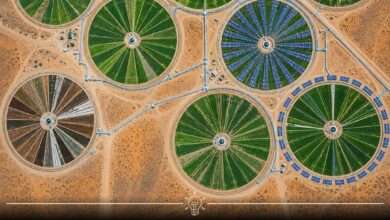
China’s Dual-Use Solar Farms & Photovoltaic Sheep Power Farms
China’s Dual Use Solar Farms and Photovoltaic Sheep Model Produce Clean Energy and Provide Shade for Thousands of Cattle
China’s Dual-Use Agrivoltaic Solar Farms Generate Clean Power and Support Livestock
China is rapidly expanding agrivoltaic projects that combine solar power with farming. Solar panels are installed above farmland, allowing crops and livestock to continue beneath them. The approach produces clean electricity while keeping agricultural land productive.
A nationwide study published in Scientific Data found that China had 1,678 agrivoltaic projects by the end of 2022. Their combined installed capacity reached 134.55 gigawatts (GW). The country’s first commercial agrivoltaic project began operating in 2010, and the sector has grown rapidly ever since.
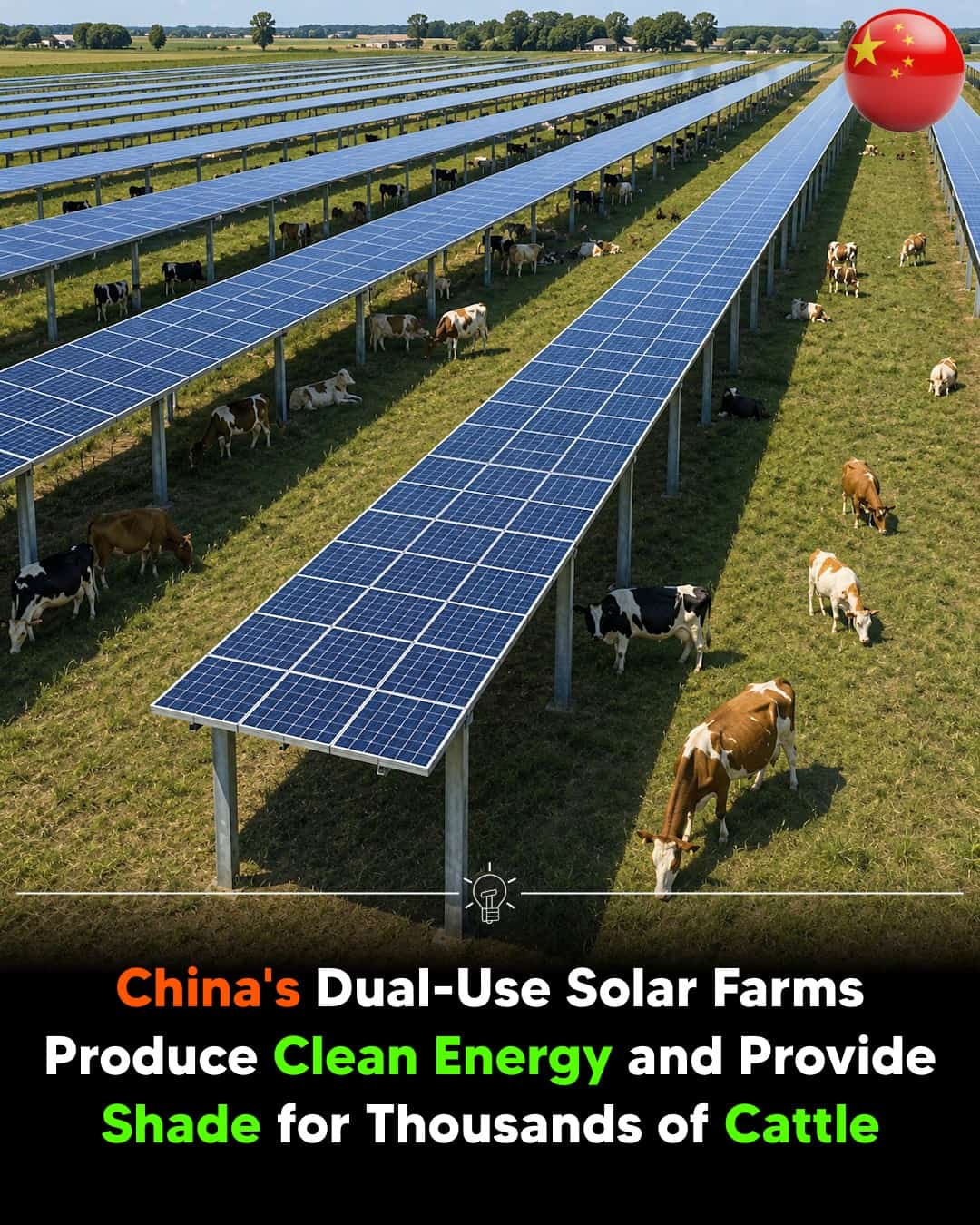
The study shows that agrivoltaic farms are spread across the country. Guangdong, Guizhou, Shandong, Hebei, Anhui, and Jiangsu are among the leading provinces. Most projects combine solar panels with crop farming, fisheries, and greenhouses, while livestock grazing is becoming increasingly common.
China’s dual-use solar farms are also supporting thousands of cattle. Elevated solar panels provide shade that helps reduce heat stress during hot weather. At the same time, cattle naturally graze on grass beneath the panels, reducing mowing and vegetation management costs for solar operators.
China’s Photovoltaic Sheep Model Turns Solar Farms into Green Productive Grazing Land while Generating Clean Electricity
A similar approach is transforming sheep farming in Qinghai Province’s Hainan Tibetan Autonomous Prefecture. The region has established dozens of ecological photovoltaic pastures and grazing sites since 2022. The program combines renewable energy, ecological restoration, and sustainable livestock production.
Officials say around 420 square kilometers of photovoltaic parks have already been completed in the prefecture. The improved grasslands now produce about 118,000 metric tons of forage each year. That is enough to support nearly 100,000 sheep while generating large amounts of clean electricity for the grid.
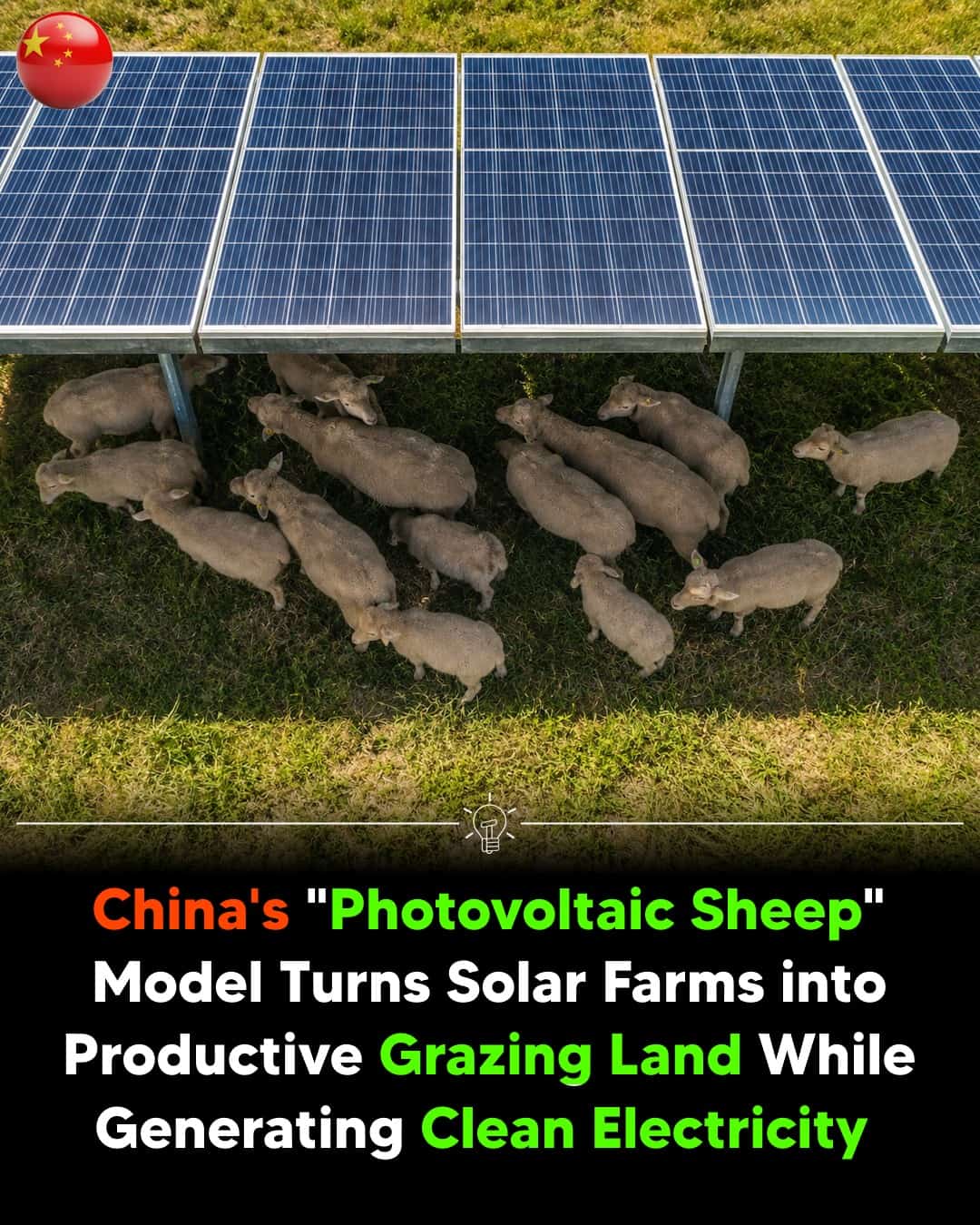
Local herders report healthier animals and lower farming costs. The shade helps grass retain moisture and improves forage quality. Sheep and cattle keep vegetation under control, while their manure naturally enriches the soil, creating benefits for both farmers and solar developers.
Researchers say agrivoltaics improve land-use efficiency by producing food and renewable energy on the same land. The model also helps protect farmland, restore ecosystems, and reduce land-use conflicts as solar capacity continues to expand.
As countries seek cleaner energy without sacrificing agriculture, China’s agrivoltaic model is attracting global attention. The combination of solar power, livestock grazing, and crop production is emerging as a practical solution for sustainable rural development and long-term energy security.
Sources:
- Nature
- PubMed
- China Daily