Power System
-

Failures In Electrical Systems, Equipments & Materials
Failures In Electrical Systems, Causes & Prevention Introduction Electrical systems, equipments and materials are subjected to failures that can cause the total destruction of equipments and severe power outages. For…
Read More » -
What is Shunt Reactor – Types, Construction & Applications
Why to use Shunt Reactors? Different between Power Transformer & Shunt Reactor What is Shunt Reactor? Shunt reactor is same as power transformer but it has only one winding per…
Read More » -
Transformers Insulation Materials in Oil-Immersed & Dry Type T/F
Types of Transformers Insulation Materials Insulation in Oil-Immersed Transformers The most common insulation today for high-voltage windings in transformer is an enamel coating on the wire, with kraft paper used…
Read More » -
Power System Restoration – Outage, Voltage Collapse & Switching Programs
Power System Restoration – Power Outage & Restoring the Power Introduction Modern power grids are extremely complex and widespread. Surges in power overhead lines and other faults can cause massive…
Read More » -
Working on De-Energized Electric Circuits, Networks & Equipments
De-Energized Work procedure & Safety in Electrical Engineering Introduction Electricity presents to the workers and installations different hazards and for this reason local operations and maintenance of electrical equipment should…
Read More » -
Electrical Shock Hazards & Its Effects on Human Body
Electrical Shock Hazards & Effects What is Electrical Hazard? Electrical hazard or Electric Shock may be defined as “Dangerous event or condition due to direct or indirect electrical contact with…
Read More » -
Protective Actions to Avoid & to Reduce Electric Hazardous
Protective Actions to Reduce & Avoid Electric Hazardous General Rules As general safety rules for EHV, HV and MV installations (EHV: Extra High Voltage – V ≥ 150 kV. HV:…
Read More » -
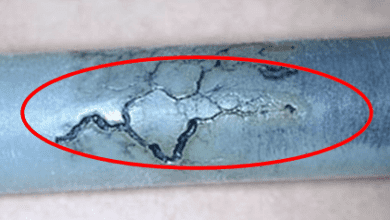
Treeing in XLPE Insulated Medium & High Voltage Cables
Electrical Treeing in XLPE Insulated MV & HV Cables (Manuel Bolotinha) Nowadays XLPE (Cross-linkedpolyethylene) is the most used insulation material of medium and high voltage cables, which presents important advantages over…
Read More » -
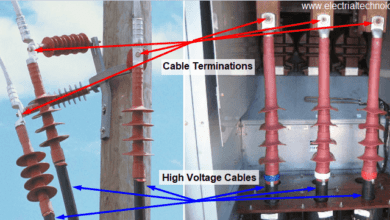
MV & HV Cable Termination to Equipment & Joints
Medium & High Voltage (MV & HV) Cable Termination & Joints General Problems & Factors for Termination Terminations to indoor switchgears, electric motors, power transformers, instrument transformers and other electrical…
Read More » -
Types & Characteristics of Surge Arresters
Surge Arresters – Types & Characteristics Introduction Atmospheric lightning phenomenon on overhead lines and bare conductors or metallic structures of an outdoors substation and over voltages due to switching operations…
Read More »