Protection
-

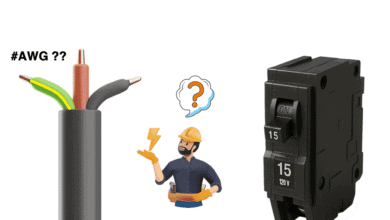
How to Size a Breaker and Wires in AWG with EGC for Load?
Proper Sizing of Breakers and Wires in AWG with Equipment Grounding Conductor (EGC) for Branch Circuits – Based on Load Current, Wattage, and Supply Voltage in Single-Phase and Three-Phase Systems…
Read More » -
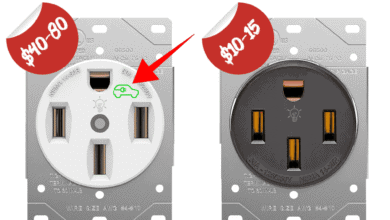
Difference Between NEMA 14-50 Standard Vs EV Receptacle
Is there a Legitimate Difference Between a NEMA 14-50 Standard Receptacle and a NEMA 14-50 EV-Grade Heavy Duty Receptacle? $10-15 standard outlets and $40-80 heavy-duty outlets/receptacles are both NEMA 14-50Rs.…
Read More » -
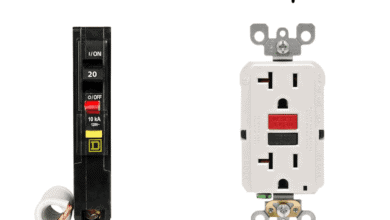
Should GFCI Protection Be in the Main Panel or Receptacle?
Is It Better to Install GFCI Protection in the Electrical Panel or at the Outlet? Ground Fault Circuit Interrupters (GFCIs) are designed to detect ground faults and protect against electric…
Read More » -
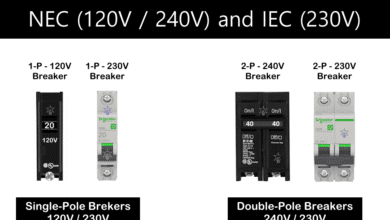
Difference Between 1-Pole and 2-Pole Breakers – NEC & IEC
Difference Between Single-Pole and Double-Pole Breakers – Wiring and Applications in IEC (230V) and NEC (120V/240V) Circuits If you look inside a household main panel or consumer unit, you will…
Read More » -
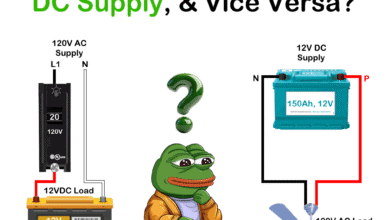
Can an AC Device Operate on DC Supply, and Vice Versa?
What Happens When You Operate an AC Device on DC Voltage, and a DC Device on AC Voltage? Generally, NO! It is neither advisable nor safe to operate a device…
Read More » -
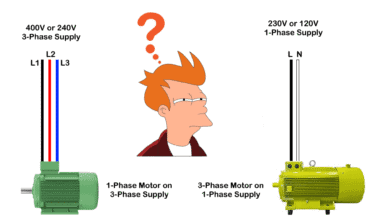
Can I Run 1-Phase Load on 3-Phase Supply and Vice Versa?
What Happens If We Connect a Single-Phase Appliance to a Three-Phase Supply or a 3-Phase Device to a 1-Phase Supply? Standard single-phase and three-phase voltage systems vary across the globe.…
Read More » -
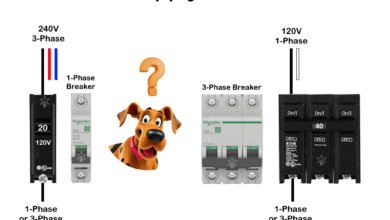
Can I Use a 1-Phase Breaker on a 3-Phase Supply & Vice Versa?
Is It Possible to Use a Single-Phase Breaker in a Three-Phase System, and a Three-Phase Breaker in a Single-Phase System? We frequently receive unusual questions and ideas related to DIY…
Read More » -
What Happens if You Use a 120V Device on 240V & Vice Versa?
Can We Operate a 120V Appliance on 240V Supply, or a 240V Equipment on 120V Supply? It is always recommended to operate appliances, switches, and outlets at their rated voltage…
Read More » -
Can You use a 15A Outlet on a 20A Circuit and Vice Versa?
Is It Permissible to Use a 15-Amp Receptacle on a 20-Amp Breaker, or a 20-Amp Receptacle on a 15-Amp Circuit? Not everyone is familiar with electrical codes and their compliance…
Read More » -
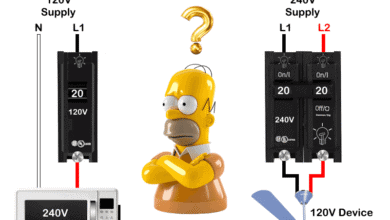
Can I Use a 240V Breaker on a 120V Circuit and Vice Versa?
Is It Permissible to Use a Double Pole 240V Breaker on a 120V Circuit, or a Single Pole 120V Breaker on a 240V Circuit? Over current protective devices (OCPDs) such…
Read More »